I Never Planned to Use My Own Blood Pressure App, Until I Ended Up in the Emergency Room
When I started building Beat It, I was not thinking about myself as the future user.
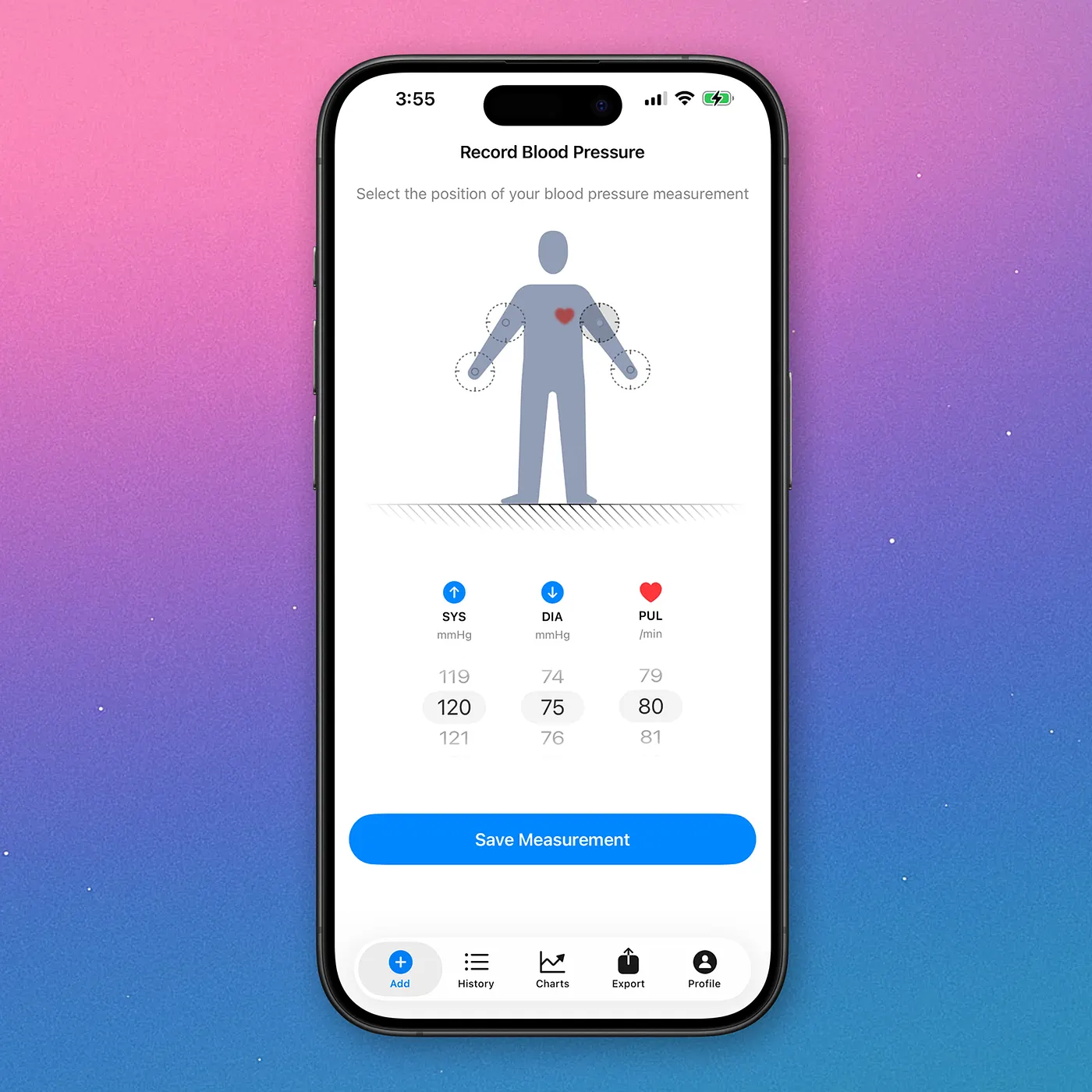
When I started building my blood pressure app Beat It, I was not thinking about myself as the future user.
The idea came from something very simple and very close to home. My mother has blood pressure problems, and sometimes she needs to write down her values during the day. Usually that means paper notes, random numbers somewhere, or just trying to remember them later. It always felt a bit too messy for something so important.
So I had this thought: we always have our phone with us. Why shouldn’t it be the easiest place to track blood pressure?
Not to measure it, of course. A phone is not a blood pressure monitor. But after you measure it with a real device, your phone could be the fastest place to save the numbers, keep the history, and see how things change over time.
That was the whole idea behind my app.
I wanted it to be very simple. No complicated setup. No overload of features. Just open the app, enter systolic and diastolic values in a second, and keep going. Later, you can look at the history, check the trends, and if needed export the data for a doctor. That was the product I wanted to build. The website now describes it in a similar way: quick manual tracking, charts, history, and exportable reports.
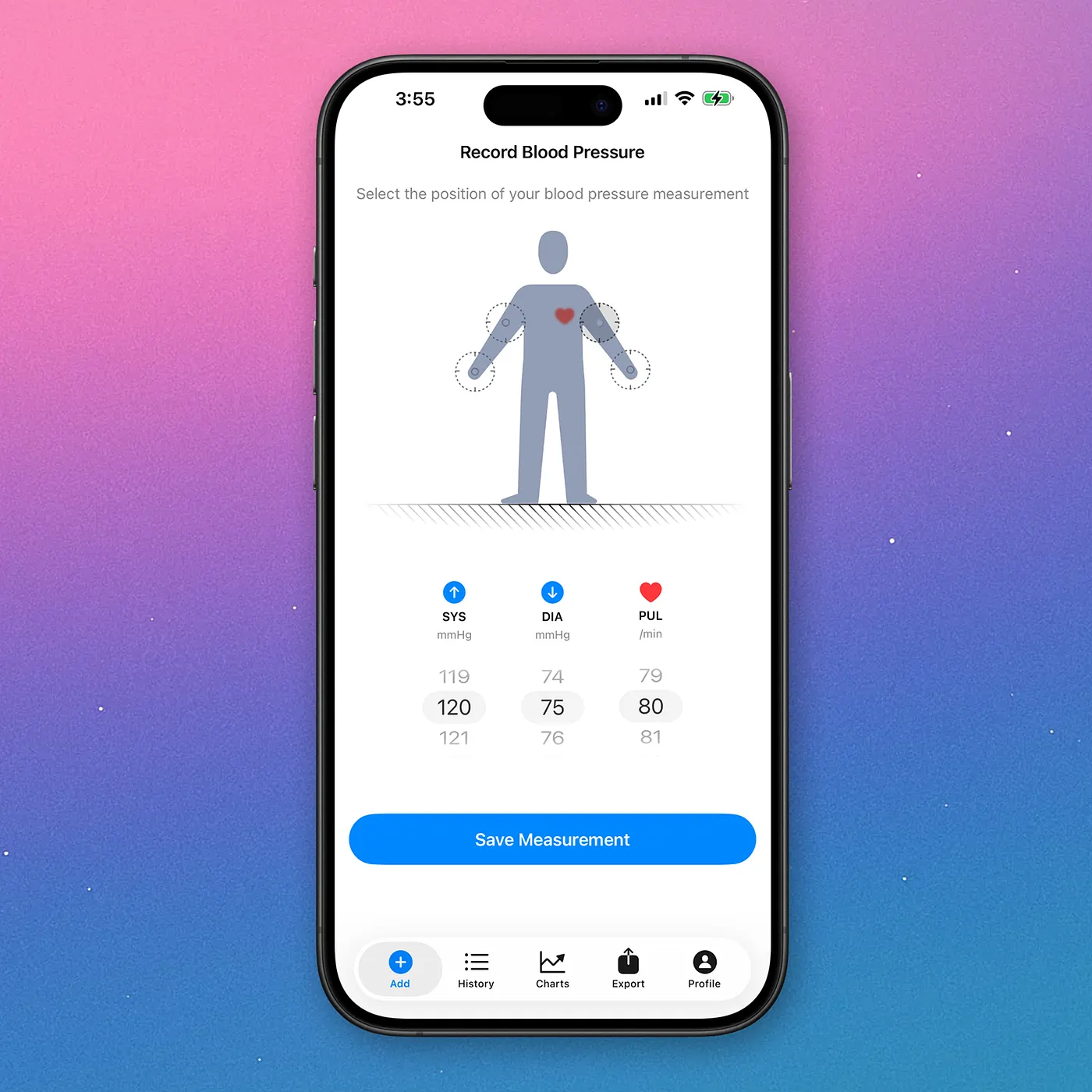
After a few iterations, the app went live on the App Store. And for me, that felt like the end of the story. I built it. Other people would use it. That was the plan.
But at the beginning of this year, something changed.
One day I did not feel well. It was not dramatic in the beginning, but I felt that something was off. My girlfriend told me to measure my blood pressure. So I did. It was high.
Then I measured it again later. Still high. So we decided not to rely on one measurement only. During the day, I kept measuring and logging the values over time.
And without really thinking about it, I became exactly the kind of user I had built the app for.
I was opening my own app, entering the values, checking the history, and continuing to track what was happening through the day.
By the end of that day, I ended up in the emergency room. And that was the moment when the app stopped being just a project I had built as a developer. It became useful to me personally.
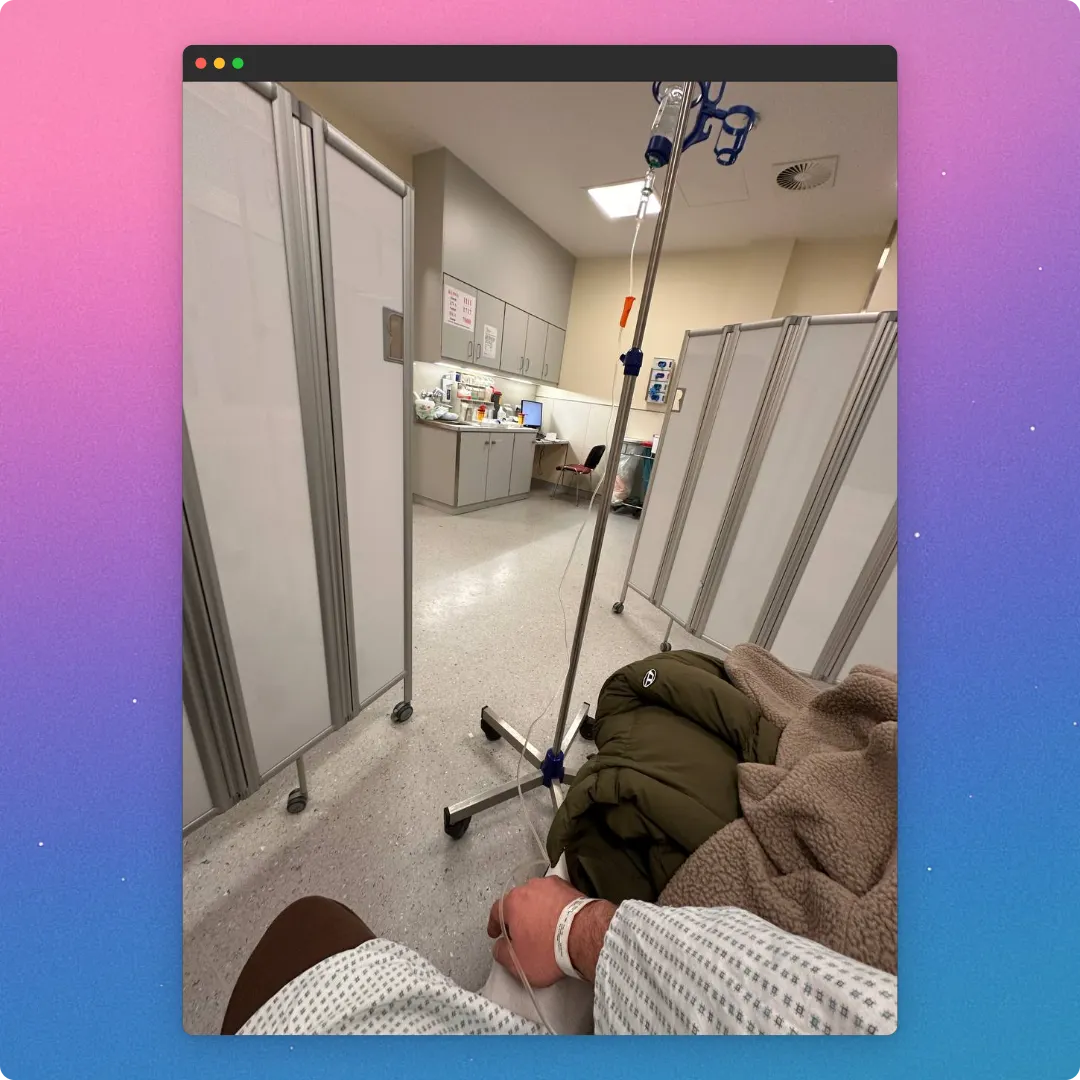
Instead of trying to explain everything from memory, I could show the doctor the values from the whole day. Not just one number. Not just “it was high earlier.” I had a timeline. I had the progression. I had something clear. That helped a lot.
The funny thing is that when I first built the app, I was mostly thinking like a developer. Is the UI clean? Is the flow simple? Is it fast enough to enter data? Does the history look good? Are the charts useful?
But when you use the app yourself in a real situation, especially when you are stressed and not feeling well, you see everything differently.
Small UI details suddenly matter much more. How many taps does it take? Can you enter a value quickly? Can you read the history without thinking too much? Can you find the important information immediately?
Those things always matter in product design. But they matter even more when the user is not calm, not focused, and just wants to record something important as fast as possible.
That experience changed how I look at the app.
I originally created it for people like my mother, people who need a simple way to track blood pressure, see trends, and have their records ready when needed. The app is manual by design, which I still think makes sense. It does not try to replace the monitor. It just makes tracking easier, more organized, and easier to share.
I never expected that one day I would depend on exactly that simplicity myself. But I did.
And honestly, it was probably the most real product test I could ever have.
It showed me that the app was useful, but it also showed me where it could become better. Some things only become visible when you are not testing as a creator, but using it because you actually need it.
So in a strange way, I went from being just the developer of the app to becoming one of its users.
I would prefer to learn that lesson in a different way. But I am still happy that the app existed when I needed it. Sometimes the products we build for others end up helping us too.
Links to the app and my personal page
📱 iOS Blood Pressure — Beat It
🌍 Personal Page https://www.romankoch.online