The Most Underrated Part of Indie Dev: Support
Handling support manually doesn't scale.
As a solo developer, I wear a lot of hats builder, designer, tester, and yes, support guy too.
And after launching a few apps, I realized something:
Handling support manually doesn’t scale.
At first, I tried using tools like Typeform to collect user issues and feedback. It worked. Kind of. But I quickly ran into a few problems:
- I had to manually create a form for every single app
- No real way to track or group the issues
- No instant alerts or easy way to manage the flow
- And honestly… it just felt clunky
So, like any stubborn developer, I decided to build something better.
How My Support System Works
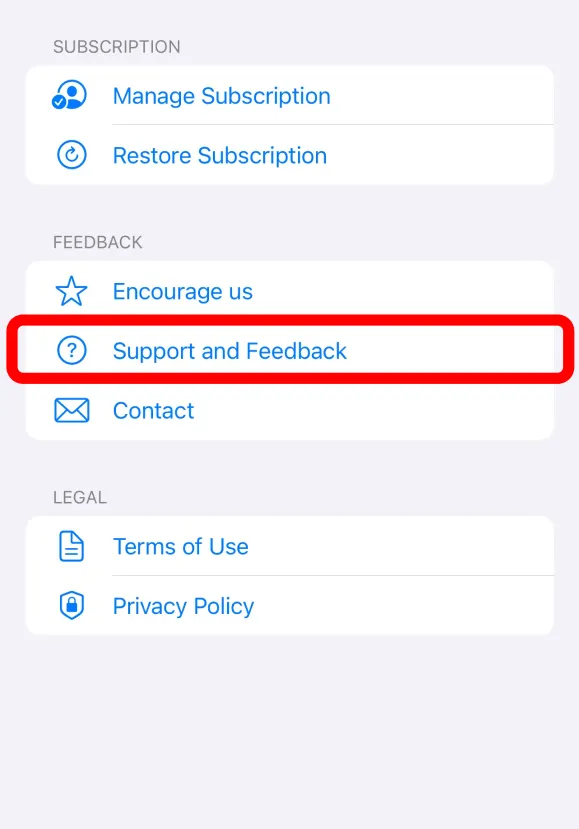
Now, every app I launch includes a simple “Support & Feedback” button in the settings. When users tap it, they’re redirected to a clean support page specific to that app.
The best part?
These pages are auto-generated based on a config file.
To add a new app, I just define:
- App icon
- App name
- App Store ID
And that’s it, the support page is ready.
The User Experience
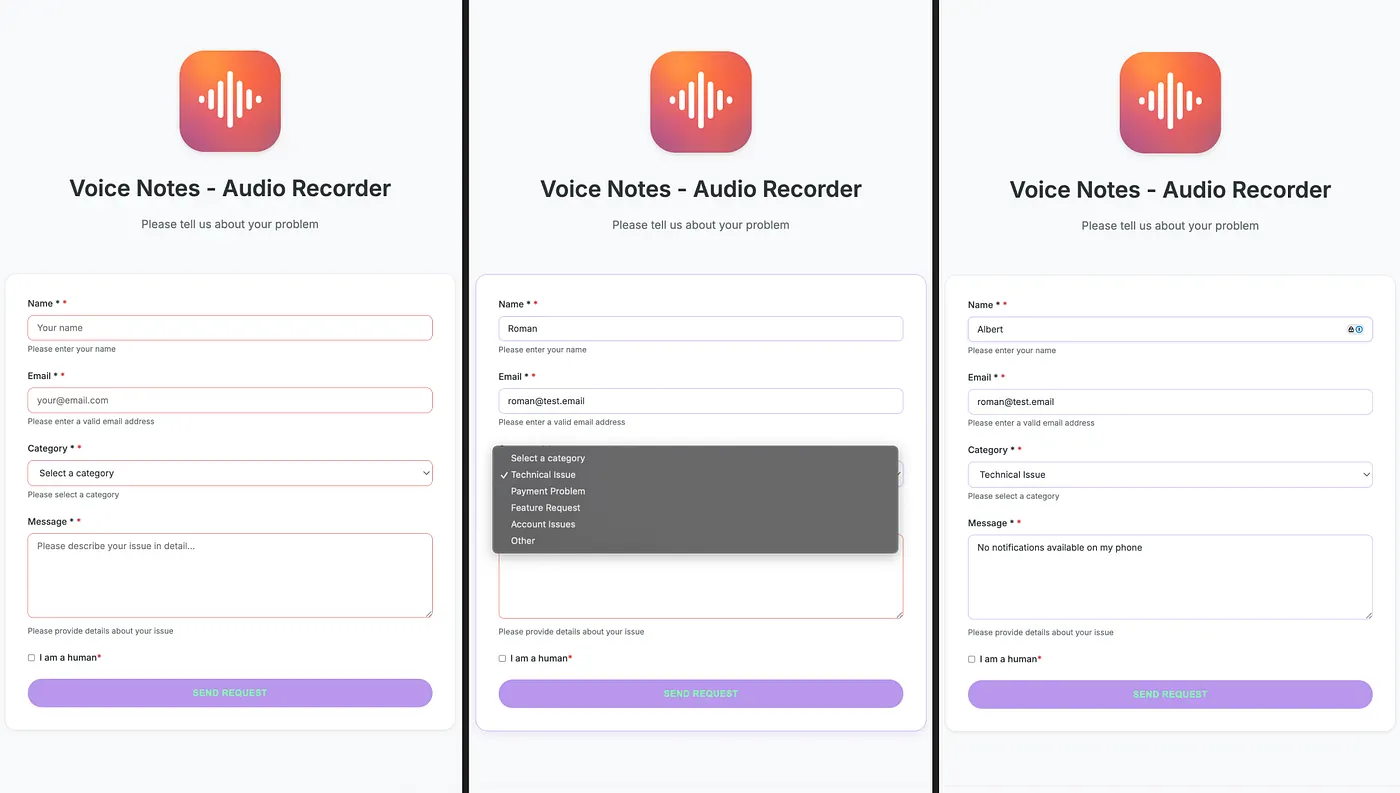
When a user lands on the page, they can:
- Enter their name and email
- Pick a category (technical issue, payment problem, feature request)
- Type a message describing their problem or idea
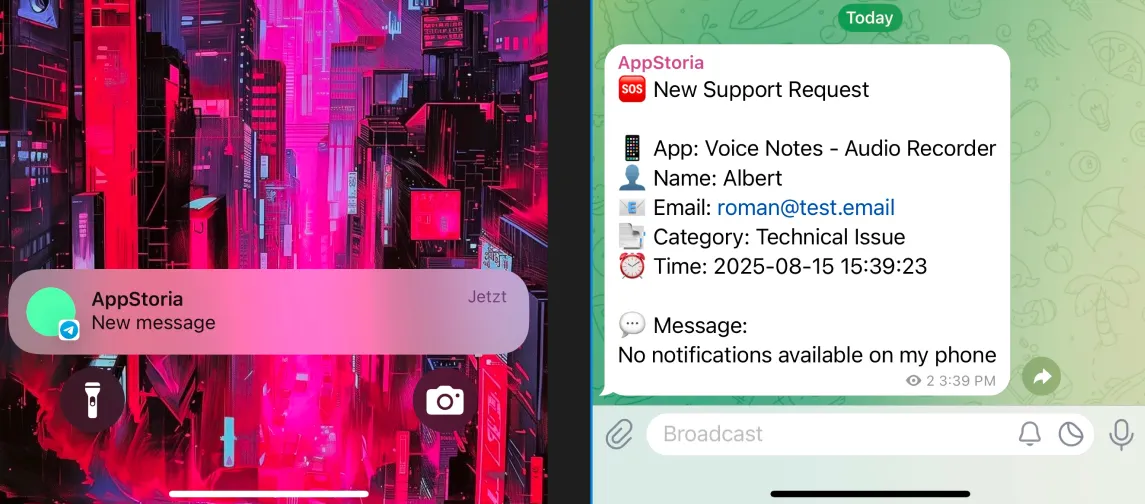
Once submitted, the system does two things:
- Sends me an email
- Triggers a Telegram alert on my phone so I see the issue instantly
And yes, that second part is a game changer. I can often respond within minutes, which surprises most users. In a world of “please wait 72 hours,” fast support really stands out.
Central Support Page
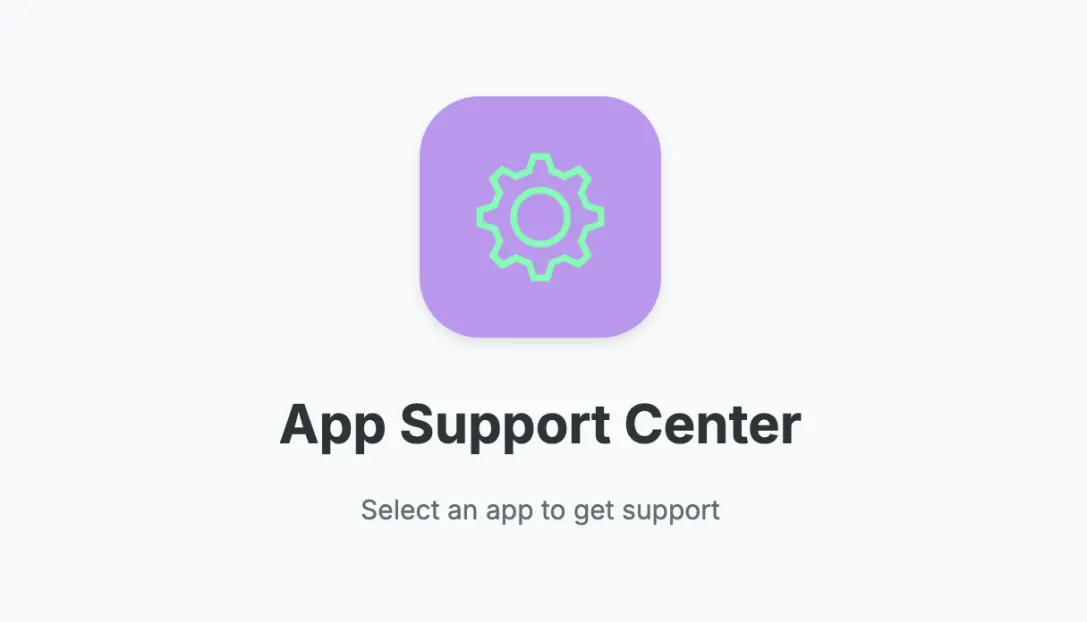
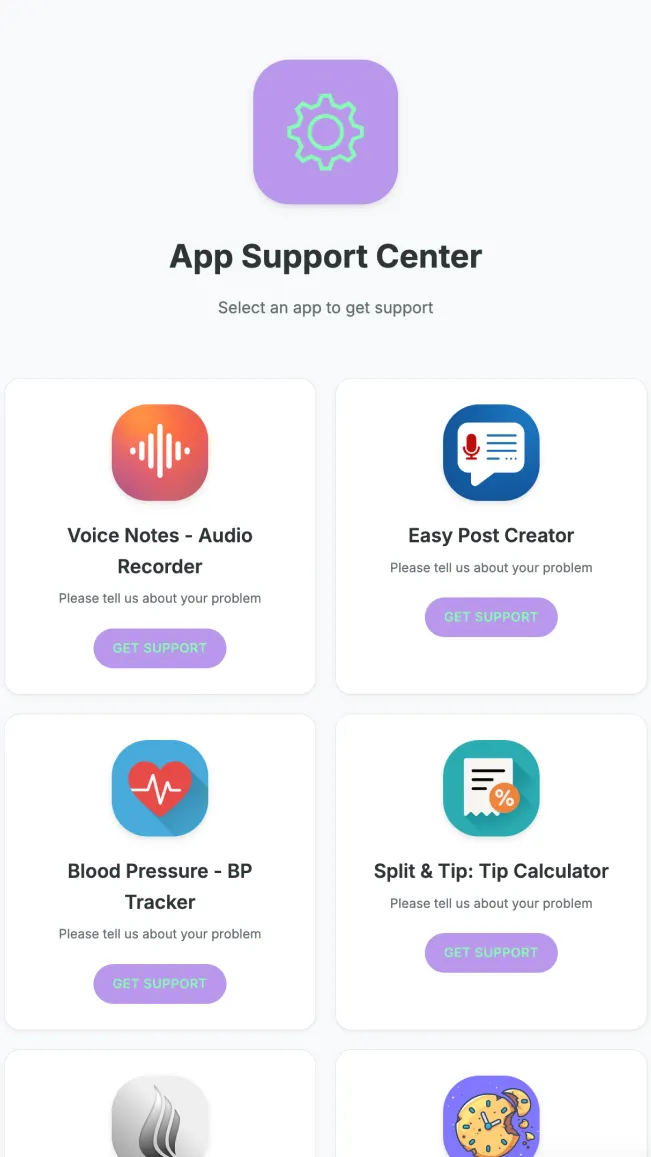
There’s also a main support homepage listing all of my apps, in case someone wants to report an issue directly, not just through the app.
It uses the same backend, so the flow is consistent.
Why I Built It
These days, launching an app has become easier.
AI tools can generate designs, help with code, even write marketing copy.
But support?
That’s still a human thing. And sadly, it’s where many apps fall short.
If your app breaks, users don’t care how fancy your AI is — they just want help.
And if you help them well and fast, they remember it.
I genuinely believe great support is one of the best differentiators an indie dev can have.
What’s Next?
Still plenty of ideas:
- Adding a feature voting system
- Maybe a public roadmap
- More analytics to track common issues
- Better categorization for feature requests
But for now, it works, and it saves me hours every week. Plus, users are happier.